Abia, Kaduna, Enugu: The Cities Quietly Building Nigeria’s Next Tech Wave
Everyone talks about Lagos.
Lagos is where the funding announcements happen. Where the accelerators are. Where are the coworking spaces with cold air conditioning and good WiFi are. If you follow Nigerian tech closely, you could be forgiven for thinking that Lagos is Nigerian tech and everywhere else is waiting to catch up.
But something is shifting.
Quietly, without much fanfare, founders in cities that rarely appear in tech press are building real businesses, solving real problems, and finding real customers. Not because they moved to Lagos first. Because they stayed where they were and built for the market directly in front of them.
What’s Actually Happening Outside Lagos
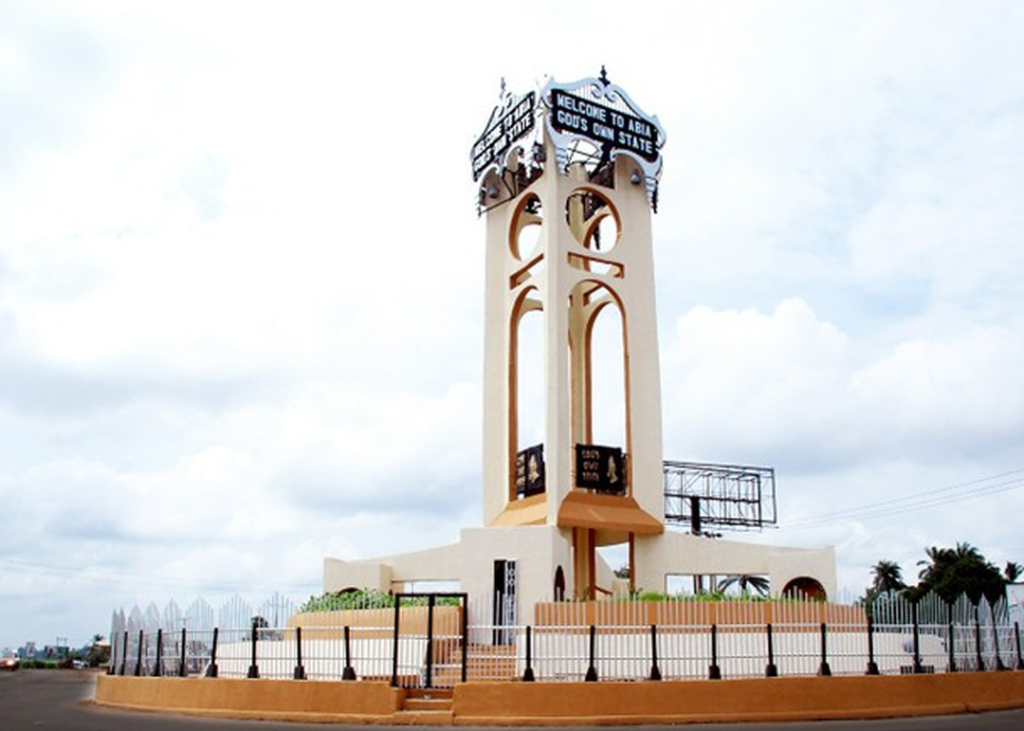
Aba is doing something interesting.
Aba has always been a manufacturing and trading city of shoes, clothing, and goods that move across the country and beyond. What’s happening now is that the next generation of Aba entrepreneurs is starting to layer tech onto what was already there.
E-commerce and logistics tools built specifically for the Aba trader. Digital payment solutions that understand how commerce actually flows in that market. Social media storefronts are replacing the need for a physical shop in some categories. It’s not a Silicon Valley story. It’s an Aba story built on top of what Aba already does exceptionally well.
Enugu is producing builders.
The tech training and developer community in Enugu has grown noticeably in the last few years. Young people learning to code, design, and build not because they’re trying to get a job in Lagos, but because they’re finding remote work, building local products, and creating small digital businesses that work from wherever they are.
The infrastructure is still a challenge, with power, connectivity, and the usual Nigerian constraints multiplied in a city that doesn’t have Lagos’s level of investment. But the talent is there, and the hunger is real.
Kaduna has a growing tech ecosystem that most people don’t know about.
Northern Nigeria is consistently underrepresented in conversations about Nigerian tech. But Kaduna in particular has been developing an ecosystem of government interest, private sector investment, and a young population that is increasingly connected and increasingly interested in building.
The problems being solved in the North are different from the ones getting attention in Lagos. Agriculture. Trade. Financial inclusion in communities where the informal economy is dominant. These are not small problems. They are enormous, complex, deeply important problems, and the founders working on them in cities like Kaduna are doing it with far less support and far less visibility than their Lagos counterparts.
Why Building Outside Lagos Is Hard And Why It’s Worth It Anyway
Let’s be honest about the challenges.
Access to funding is harder. Most Nigerian investors are Lagos-based, Lagos-networked, and Lagos-focused. Getting in front of the right people when you’re building from Enugu or Aba requires extra effort that Lagos founders don’t have to put in.
Talent is more competitive. The best developers, designers, and operators in most Nigerian cities are being pulled toward Lagos or toward remote work for foreign companies. Keeping good people in a secondary city requires either matching what Lagos pays, which is hard, or creating an environment compelling enough that people choose to stay.
Infrastructure is less forgiving. Power, internet, logistics, the same problems that affect all of Nigeria, but without the workarounds that Lagos’s density makes possible.
These are real challenges. They don’t disappear by being acknowledged.
But here’s what building outside Lagos gives you that Lagos cannot.
Your customer is right in front of you.
The founder’s building in Aba is surrounded by the traders they’re building for. The founder of the building in Kaduna lives inside the market they’re trying to serve. The proximity to the actual customer, not a user persona, not a survey response, but a real person you can sit across from, is an advantage that is genuinely hard to replicate when you’re building from a distance.
Competition is lower.
The Lagos market is crowded. Every obvious problem has three startups trying to solve it, all fighting for the same customers, the same talent, and the same attention. Secondary cities have real problems that nobody is working on yet, which means the founder who shows up is not fighting for market share; they’re creating a market.
Community trust is easier to build.
In a smaller ecosystem, your reputation travels faster and sticks harder. One founder in Enugu doing excellent work becomes known across the entire local tech community quickly. That visibility, that trust, that word-of-mouth, it’s harder to manufacture in Lagos, but it happens naturally in tighter communities.
The Founders Who Will Define This Decade
The next wave of Nigerian tech success stories will not all come from Lagos.
They will come from founders who understood their local market deeply, built for it specifically, and created businesses with strong roots in real communities, businesses that didn’t need to be in Lagos to be legitimate.
They will come from cities that are tired of being treated as afterthoughts and are building proof that the talent, the ideas, and the hunger exist everywhere on this map.
The question is not whether that wave is coming. It is whether you are building something that will be part of it.
Want to connect with founders building across Nigeria, not just in Lagos?
The IGHub Community brings together founders from every part of the country. Aba, Kaduna, Enugu, Onitsha, Umuahia, the room is bigger than one city, because Nigerian tech is bigger than one city.
If you’re building somewhere that doesn’t get enough attention, this is a community that sees you.
Join the IGHub Community at [link] — and find your people, wherever you’re building from.